

autui.over-blog.com/
18 Janvier 2021

Install Windows Store on Windows 10 I uninstalled Windows Store by mistake through the powershell on Windows 10. I was trying to uninstall others apps, but I ended up uninstalling everything. Microsoft introduced the Windows Store apps called ‘Metro Apps' with Windows 8. Microsoft later decided to call them ‘Modern Apps'. And as of today, in Windows 10, the store apps are simply called as 'Windows Apps'. Microsoft uses a hidden folder named WindowsApps to install these Metro/Modern apps. The folder is located within the Program Files. As the Microsoft Store app depends on.NET Framework,.NET Runtime, and VC Libs, download the latest packages of each item listed. Be sure to download the correct ones matching the bitness (x86 vs x64) of your Windows 10.; Now, you would have downloaded these four Appx packages — the version numbers will vary according to the build/version of the Microsoft Store app. Select the app you want to reinstall, and then select Install. Run the troubleshooter: Select the Start button, and then select Settings Update & Security Troubleshoot, and then from the list select Windows Store apps Run the troubleshooter. Here's more help If you can't find Microsoft Store, see Trouble finding Microsoft Store in Windows.
-->Applies to
Microsoft Store for Business and Education has thousands of apps from many different categories.
These app types are supported in Microsoft Store for Business and Education:
Apps in your inventory will have at least one of these supported platforms listed for the app:
Apps that you acquire from Microsoft Store only work on Windows 10-based devices. Even though an app might list Windows 8 as its supported platform, that tells you what platform the app was originally written for. Apps developed for Windows 8, or Windows Phone 8 will work on Windows 10.
Some apps are free, and some apps charge a price. Currently, you can pay for apps with a credit card. We'll be adding more payment options over time.
Some apps which are available to consumers in Microsoft Store might not be available to organizations in Microsoft Store for Business and Education. App developers can opt-out their apps, and they also need to meet eligibility requirements for Microsoft Store for Business and Education. For more information, see Organizational licensing options.
Line-of-business (LOB) apps are also supported using Microsoft Store. Admins can invite IT devs and ISVs to be LOB publishers. Apps developed by your LOB publishers that are submitted to Microsoft Store are only available to your organization. Once an administrator accepts an app submitted by one of their LOB publishers, the app can be distributed just like any other app. For more information, see Working with Line-of-Business apps. Adobe photoshop cs4 crack download free.
Some apps offer you the option to make in-app purchases. In-app purchases are not currently supported for apps that are acquired through Microsoft Store and distributed to employees.
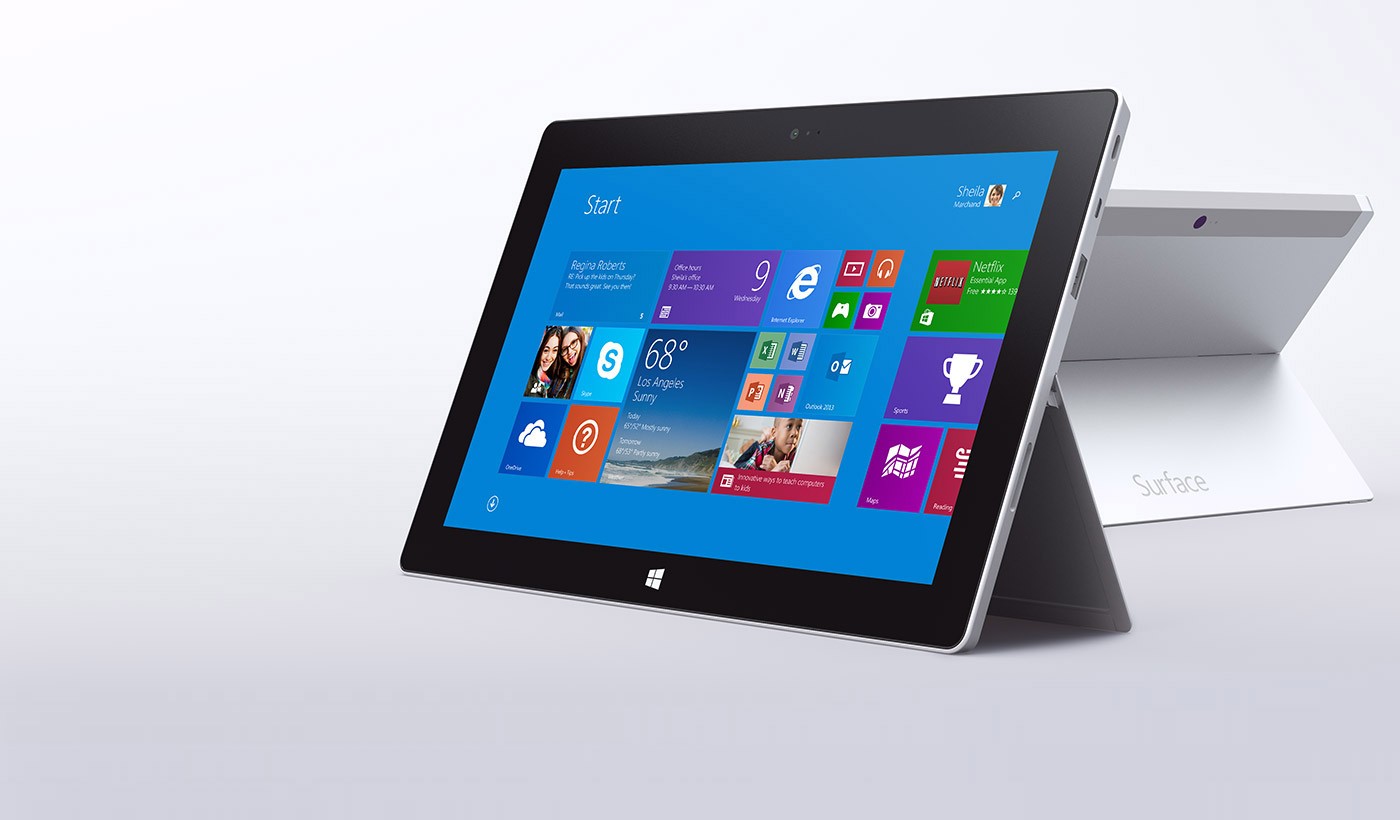
If an employee makes an in-app purchase, they'll make it with their personal Microsoft account and pay for it with a personal payment method. The employee will own the item purchased, and it cannot be transferred to your organization's inventory.
Microsoft Store supports two options to license apps: online and offline.
Online licensing is the default licensing model and is similar to the model used by Microsoft Store. Online licensed apps require customers and devices to connect to Microsoft Store service to acquire an app and its license. License management is enforced based on the user's Azure AD identity and maintained by Microsoft Store as well as the management tool. By default app updates are handled by Windows Update.
Distribution options for online-licensed apps include the ability to:
Offline licensing is a new licensing option for Windows 10. With offline licenses, organizations can cache apps and their licenses to deploy within their network. ISVs or devs can opt-in their apps for offline licensing when they submit them to the developer center. Only apps that are opted in to offline licensing will show that they are available for offline licensing in Microsoft Store. This model means organizations can deploy apps when users or devices do not have connectivity to Microsoft Store. Admins control whether or not offline apps are available in Microsoft Store with an offline app visibility setting. For more information, see offline license visibility.
You have the following distribution options for offline-licensed apps:
For more information, see Distribute apps to your employees from Microsoft Store for Business.
-->This article outlines the release cycle for administrators to update the Microsoft Store apps installed by default on Windows 8.1-based computers.
Original product version: Windows 10 - all editions
Original KB number: 2971128
When you are connected to the Internet, Windows 8.1 clients obtain updates to Microsoft Store apps directly from the Microsoft Store app (visible on the Windows Start screen).
To update these Microsoft Store apps on computers that cannot connect to the Microsoft Store site by using the Internet, Microsoft has a collection of downloadable updates available on the Windows Update Catalog. These updates can be distributed by using System Center, WSUS and third-party equivalents, or slipstreamed into the operating system image that is used by your organization.
The intent of this process is not to bypass the Microsoft Store, but to enable computers that cannot connect to the Microsoft Store to update Microsoft Store apps on a recurring basis.
Microsoft is releasing packages for Windows 8.1 Microsoft Store apps that are listed in the release chart at the end of this article.
No. We are currently targeting the Microsoft Store apps that are distributed by default with Windows 8.1 editions.
No. The developer of the third-party app can make available the package, and it can then be Sideload Apps with DISM similar to line-of-business apps.
Yes. Microsoft will update the inbox packages for Windows 8.1 for customers based on need. Contact Microsoft support to request one or more packages be updated.
These packages will be available through WSUS and the Windows Update Catalog.
The packages include all the languages currently supported through the Microsoft Store.
Windows 8.1 x86 and x64 editions are supported. Windows RT 8.1 is not supported.
No, Industry editions are not licensed for these applications and therefore updates to these applications are not supported. If you have a need for Microsoft Store apps for Industry editions, contact your account manager or open a support ticket for your request to be evaluated.
We recommend installing the app updates as part of your post operating system deployment updates through WSUS. However, if you need an automated process, you can extract each .cab file to its respective MSI. Then, you can script the installation or deploy by using traditional application deployment technologies.
No. This process is only designed to update apps already installed on the system. If you are able to enable temporary access to the Microsoft Store, you can install the apps again and then maintain them by using this process. Or, you will need to deploy a new image that contains the apps.
No. You cannot use dism.exe to install the updates offline. They must be installed through the .MSI installer to a running operating system.
What follows is the release schedule for each Microsoft Store app:
| Microsoft Store App | Operating System | Release Date | Version | KB Number |
|---|---|---|---|---|
| Alarms | Windows 8.1 | 8-Jul-14 | 2013.1204.852.3011 | 2962197 |
| BING Finance | Windows 8.1 | 8-Jul-14 | 2014.326.2159.4382 | 2962186 |
| BING Food and Drink | Windows 8.1 | 8-Jul-14 | 2014.326.2200.4175 | 2962199 |
| BING Health and Fitness | Windows 8.1 | 8-Jul-14 | 2014.326.2201.3773 | 2962187 |
| BING Maps | Windows 8.1 | 8-Jul-14 | 2014.130.2132.1189 | 2962192 |
| BING News | Windows 8.1 | 8-Jul-14 | 2014.326.2203.2627 | 2962188 |
| BING Sports | Windows 8.1 | 8-Jul-14 | 2014.326.2204.2598 | 2962189 |
| BING Travel | Windows 8.1 | 8-Jul-14 | 2014.326.2205.5913 | 2962190 |
| BING Weather | Windows 8.1 | 8-Jul-14 | 2014.326.2207.211 | 2962191 |
| Calculator | Windows 8.1 | 8-Jul-14 | 2013.1007.1950.2960 | 2962196 |
| Communications Apps (People, Mail, Calendar) | Windows 8.1 | 24-Jun-14 | 2014.219.1943.3721 | 2962182 |
| Help and Tips | Windows 8.1 | 24-Jun-14 | 2014.331.1818.1664 | 2962194 |
| Reader | Windows 8.1 | 24-Jun-14 | 2014.312.322.1510 | 2962193 |
| Reading List | Windows 8.1 | 8-Jul-14 | 2013.1218.27.757 | 2962195 |
| Scan | Windows 8.1 | 8-Jul-14 | 2013.1007.2015.3834 | 2962200 |
| Skype | Windows 8.1 | 8-Jul-14 | 2014.402.1024.4106 | 2962201 |
| Sound Recorder | Windows 8.1 | 8-Jul-14 | 2013.1010.500.2928 | 2962198 |
| XBOX Games | Windows 8.1 | 8-Jul-14 | 2013.1011.10.5965 | 2962183 |
| XBOX Music | Windows 8.1 | 8-Jul-14 | 2014.321.1036.1167 | 2962184 |
| XBOX Video | Windows 8.1 | 8-Jul-14 | 2014.326.530.5303 | 2962185 |


/image%2F6311830%2F20210327%2Fob_f6e435_audacity-pc-app-download.jpeg)
/image%2F6311830%2F20210327%2Fob_ae6bdc_plex-app-for-windows-8-1.jpeg)
/image%2F6311830%2F20210327%2Fob_de98c6_adobe-photoshop-cs-19-free-download.jpeg)
/image%2F6311830%2F20210327%2Fob_6763a4_photoshop-cs7-free-trial.jpeg)